Introduction
Chronic wound care management is an essential element of healthcare that has actually acquired significant attention throughout the years. With a boosting number of clients suffering from chronic injuries because of problems such as diabetic issues, venous lack, and pressure abscess, health care specialists must create customized abilities to provide effective care. This article explores the significance of establishing skills in chronic wound care management with specialized training, highlighting numerous aspects such as training courses available, the duty of wound care specialists, and ideal practices in taking care of complicated wounds.

Understanding Chronic Injury Treatment Management
What is Persistent Wound Care?
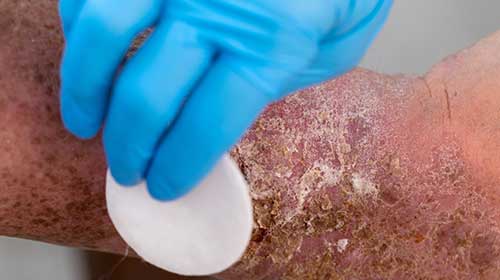
Chronic wound treatment describes the management of wounds that fail to recover within a reasonable timeframe, normally greater than 4 weeks. These wounds usually require specialized therapy techniques due to underlying health concerns or complications.
Types of Persistent Wounds
Diabetic Ulcers: Frequently found on the feet of diabetic person patients. Venous Ulcers: Normally take place on the lower legs as a result of poor circulation. Pressure Ulcers: Likewise known as bedsores, these arise from long term pressure on the skin.The Value of Specialized Training
Developing skills in chronic wound care management with specialized training gears up doctor with the expertise and methods needed for effective treatment. This training focuses on understanding different injury types, healing processes, and advanced treatment modalities.
Wound Treatment Professional Training
What is Injury Care Specialist Training?
Wound treatment professional training encompasses a thorough program developed for medical care experts who wish to specialize in wound care management. This training is critical for registered nurses and other clinical staff associated with individual care.
Components of Wound Care Expert Training
- Assessment Techniques: Learning exactly how to effectively evaluate various types of wounds. Treatment Protocols: Understanding evidence-based practices for wound treatment. Patient Education: Outfitting patients with knowledge about their conditions for much better self-management.
Wound Care Educating for Nurses
Why Registered nurses Required Specialized Wound Treatment Training
Nurses are frequently at the center of individual communication and play an important duty in injury administration. Specialized training improves their capacity to deliver top notch treatment and improve individual outcomes.
Core Topics Covered in Nursing Injury Care Training
Anatomy and Physiology Related to Wound Healing Infection Control Practices Advanced Clothing TechniquesWound Care Training Courses Available
Overview of Offered Courses
Various institutions supply wound care training courses tailored for various skill levels, varying from basic wound care training to innovative certifications.
|Program Call|Level|Period|| ---------------------------------|--------------------|------------|| Basic Wound Care Training|Beginner|2 days|| Advanced Wound Administration|Intermediate|5 days|| Licensed Wound Professional|Advanced|10 weeks|
Choosing the Right Course
When choosing a program, consider your current skill degree, learning preferences, and career goals.
Basic Wound Care Training Programs
Importance of Basic Wound Treatment Training
Basic wound care training gives foundational expertise needed for all medical care experts involved in patient treatment. It covers necessary subjects that every professional ought to know before moving into advanced areas.
Key Subjects in Fundamental Injury Care Training
Types of Dressings Debridement Techniques Moisture Balance PrinciplesNursing Wound Care Training Essentials
Skills Got Through Nursing-Wide Programs
Nursing-specific programs focus on useful skills required for day-to-day jobs entailing persistent wound management.
Key Abilities Include:
- Patient Evaluation Techniques Documentation Practices Collaboration with Multidisciplinary Teams
Complex Wound Care Management Strategies
Understanding Complex Wounds
Complex injuries might involve several variables impacting healing processes such as infection or insufficient blood supply.
Best Practices for Handling Complicated Wounds
- Regular Monitoring Use of Advanced Therapies (e.g., negative pressure therapy) Involving multidisciplinary groups including dietitians and physiotherapists
NDIS Wound Treatment Considerations
What is NDIS?
The National Handicap Insurance coverage Scheme (NDIS) sustains people with specials needs in Australia, consisting of those needing specialized injury treatment services.
How NDIS Sustains Clients with Chronic Wounds
NDIS financing can cover necessary therapies and interventions made specifically for individuals living with persistent wounds due to specials needs or various other underlying wellness issues.
Wound Treatment Management Techniques Used by Specialists
1. Debridement
wound care specialist trainingDebridement is critical for removing non-viable tissue from a wound bed to promote healing.
Types:
- Surgical Debridement Autolytic Debridement
2. Dressings
Choosing appropriate dressings based on the kind and phase of the wound can substantially affect healing times.
Common Kinds:
- Hydrocolloid Dressings Alginate Dressings
Current Fads in Chronic Wound Treatment
As modern technology developments, so do methods used in chronic wound therapy:
Bio-engineered Skin Substitutes Telemedicine Consultations Genetic ApproachesThese developments aim not only at faster healing yet also enhanced individual comfort throughout treatment procedures.

FAQs Concerning Persistent Wound Treatment Management
Q1: What certifications are required for specialized injury care training?
A1: Typically, a history in nursing or healthcare is called for; nonetheless, numerous programs accept candidates with relevant experience or education.
Q2: The length of time does it take to come to be a licensed wound care specialist?
A2: Certification programs generally take in between six months to one year depending on program structure and private schedules.
Q3: Can I take online programs for wound care training?
A3: Yes! Numerous institutions use certified online courses permitting adaptability while guaranteeing you receive top quality education.
Q4: What are some essential difficulties dealt with in persistent wound management?
Q5: Is there recurring education called for after certification?
A5: Yes! Continuing education guarantees specialists continue to be updated on new practices and technologies associated with persistent wound management.
Q6: Are there details standards for treating diabetic person foot ulcers?
A6: Yes! Standards usually consist of normal assessments, proper shoes suggestions, sugar control actions, and routine unloading techniques.
Conclusion
Developing skills in chronic wound care management via specialized training is not simply useful; it's crucial in today's developing medical care landscape. The expanding occurrence of persistent injuries demands that nurses and various other healthcare providers acquire detailed knowledge via different academic opportunities including basic wound care training and advanced qualifications customized specifically in the direction of facility situations like those seen under NDIS provisions. By enhancing their knowledge with structured educational programs focused on evidence-based practice, health care specialists can make sure that they offer ideal patient-centered results-- due to the fact that when it boils down to it; effective chronic wound administration can considerably alter lives for the better.
This article functions as an extensive overview aimed at enhancing recognizing around establishing skills specifically targeted towards taking care of chronic wounds effectively through specialized approaches that incorporate ongoing education updates-- a necessity within any kind of effective therapeutic framework today!